



proceso de paso de piel de acero
The skin pass mill represents a critical final processing step in modern steel production, serving as the gateway between steelmaking and fabrication. Unlike conventional cold rolling that achieves significant thickness reduction, the skin pass rolling process applies minimal reduction (typically 0.5-3%) to achieve specific surface and mechanical characteristics. This precision operation has become indispensable in producing high-quality flat steel products for automotive, appliance, and construction applications. The skin pass mill process carefully balances multiple variables including elongation, tension, and roll force to transform the metallurgical properties of steel without substantially altering its dimensions. As we examine the skin pass mill function in detail, it becomes clear how this seemingly simple operation delivers profound improvements in material performance. S kin P ass M ill : Fundamental Mechanisms of Property Modification The skin pass rolling operation works through several interconnected mechanisms to enhance steel properties. As the material passes through the mill, controlled plastic deformation introduces dislocations in the crystal structure, creating a subtle but crucial work-hardening effect. The skin pass mill process simultaneously stretches the yield point elongation (YPE) characteristic of annealed steel, eliminating the discontinuous yielding that causes Lüders bands and stretcher strains in formed parts. This treatment produces a smooth, uniform surface ideal for subsequent forming operations while increasing the material's yield strength through strain aging. The precision of modern skin pass mill controls allows manufacturers to dial in exact mechanical property targets by adjusting reduction percentages, roll forces, and tension levels with remarkable accuracy. S kin P ass M ill : Surface Quality Enhancement One of the primary skin pass mill function benefits lies in surface quality improvement. The process creates a controlled matte finish that optimizes paint adhesion and coating performance - critical for automotive exposed panels. By carefully regulating roll surface texture and rolling parameters, operators can reproduce specific roughness profiles (Ra values) ranging from mirror finishes for appliances to structured surfaces for construction panels. The skin pass rolling action also closes microporosity in the steel surface, reducing coating consumption in galvanizing lines while improving corrosion resistance. Furthermore, it removes minor surface imperfections from prior processing, serving as a final quality checkpoint before coils ship to customers. These surface enhancements directly correlate with improved performance in downstream applications. S kin P ass M ill : Mechanical Property Optimization The skin pass mill process exerts precise control over key mechanical properties through several mechanisms. By introducing a small but controlled amount of cold work, mills can increase yield strength by 20-50 MPa while maintaining good elongation characteristics. This strengthening occurs without the embrittlement risks associated with higher cold reduction rates. The process also enables manufacturers to tailor the strain hardening exponent (n-value), crucial for complex forming operations. Perhaps most importantly, skin pass rolling eliminates yield point elongation, ensuring smooth, consistent deformation during stamping and preventing surface defects in formed parts. These mechanical modifications explain why skin passing has become mandatory for most exposed automotive panels and premium appliance applications. S kin P ass M ill : Microstructural Effects and Stability At the metallurgical level, the skin pass mill function creates subtle but important changes to steel microstructure. The controlled deformation generates dislocation networks that stabilize the material against natural aging effects that could otherwise alter properties during storage. This stabilization proves particularly valuable for bake-hardenable steels used in automotive body panels, where the skin pass rolling process sets an optimal baseline for subsequent age hardening during paint curing. The process also refines grain structure near the surface, improving resistance to fatigue and wear in service. These microstructural modifications, though small in magnitude, significantly enhance performance in demanding applications. S kin P ass M ill : Process Control and Modern Advancements Contemporary skin pass mill technology has evolved into a highly sophisticated operation with precise digital controls. Modern mills employ closed-loop feedback systems that monitor and adjust roll gap, tension, and speed in real-time to maintain consistent elongation within ±0.1% of target values. Advanced shape control systems combine roll bending and roll shifting to ensure flatness is maintained despite the minimal reduction. Some mills now incorporate laser tension measurement and automated surface inspection to verify quality parameters continuously. These control advancements have made the skin pass rolling process remarkably consistent, allowing steel producers to meet increasingly stringent customer specifications for mechanical properties and surface characteristics. S kin P ass M ill : Specialized Applications and Material Considerations The skin pass mill process requires careful adaptation when processing different steel grades. For low-carbon steels, the primary focus remains on eliminating yield point elongation and achieving proper surface texture. High-strength low-alloy (HSLA) steels demand precise control to avoid excessive work hardening that could compromise formability. Stainless steel skin passing requires special attention to roll surface conditions and lubrication to maintain corrosion-resistant surfaces. Some advanced skin pass mill installations now feature alloy-specific rolling models that automatically adjust parameters based on coil chemistry and prior processing history. This specialization ensures optimal results across diverse product ranges while maximizing mill productivity. S kin P ass M ill : Quality Assurance and Testing Protocols Verifying the effectiveness of skin pass rolling involves comprehensive testing protocols. Standard evaluations include tensile testing to confirm yield strength and elongation targets, surface roughness measurements using contact profilometers, and forming tests like the Erichsen cupping test. Advanced producers conduct microscopic examination of surface topography and atomic force microscopy to characterize nanoscale features imparted by the skin pass mill . These rigorous controls ensure the process delivers consistent improvements to mechanical properties and surface characteristics that translate directly to improved performance in customer applications. The skin pass mill has evolved from a simple finishing operation to a sophisticated metallurgical tool that precisely engineers steel properties. By understanding and controlling the complex interactions between deformation, texture, and microstructure, modern skin pass rolling processes deliver consistent improvements in mechanical performance, surface quality, and forming behavior. As steel users demand ever-higher levels of consistency and performance, the skin pass mill function will remain indispensable for producing premium flat rolled products. The continued advancement of skin pass technology ensures steel will maintain its position as the material of choice for critical applications where surface quality and mechanical properties must meet exacting standards.

We have successfully executed over 500
projects around the world,
many first-of-their-kind
research projects and products in China, including
We have successfully executed over 500
projects around the world,
many first-of-their-kind
research projects and products in China, including
-
2004
The 1st hydraulic AGC system for hot rolling of ribbon steel
-
2006
The 1st AFC system used for 1450mm skin pass mill
-
2009
The 1st 5-stand tandem line with 2-stand POR & Uncoiler for 650mm ribbon steel
-
2012
The 1st reversing mill for 1380mm strip
-
2016
The 1st soft-rolling system used in skin pass mill
-
2019
The 1st fully automated medium-width tandem cold rolling mill
-
2021
The 1st 5000KN Twin-stand double skin pass mill
-
2022
The 1st coupled pickling line & tandem cold mill with two modes - big roller & small roller
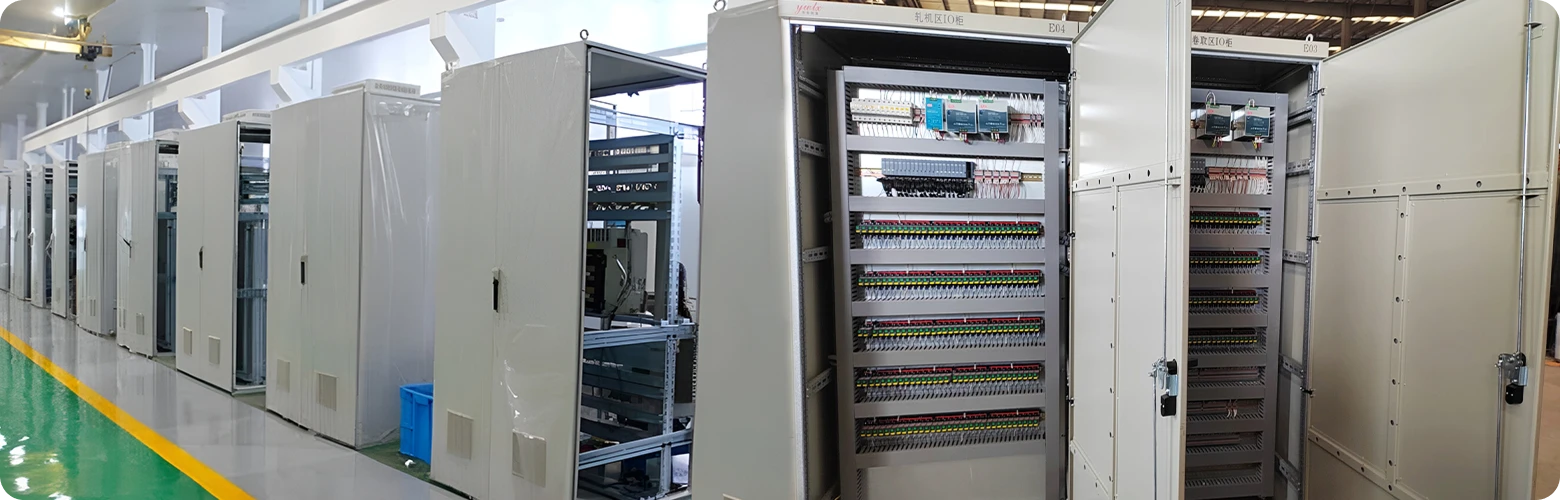
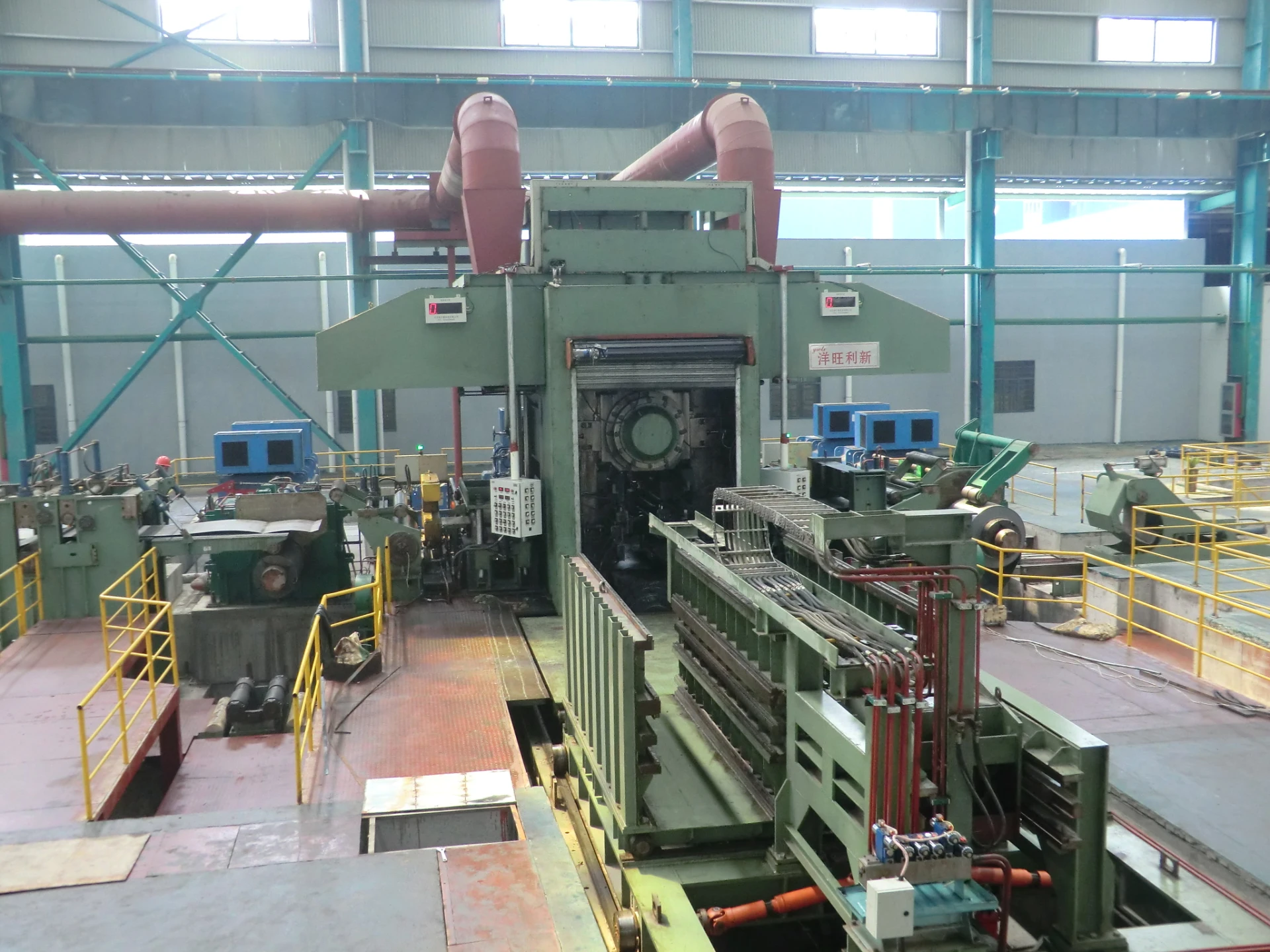
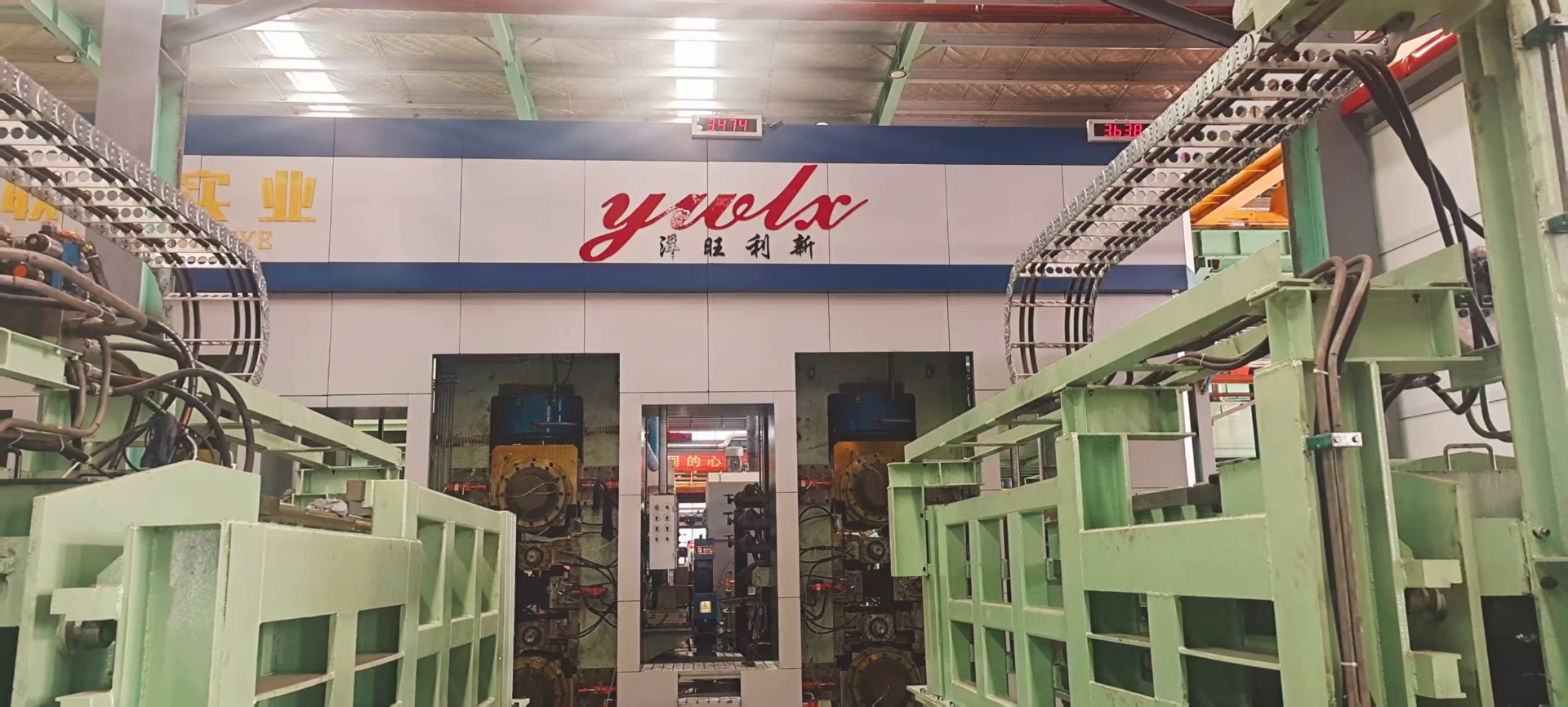

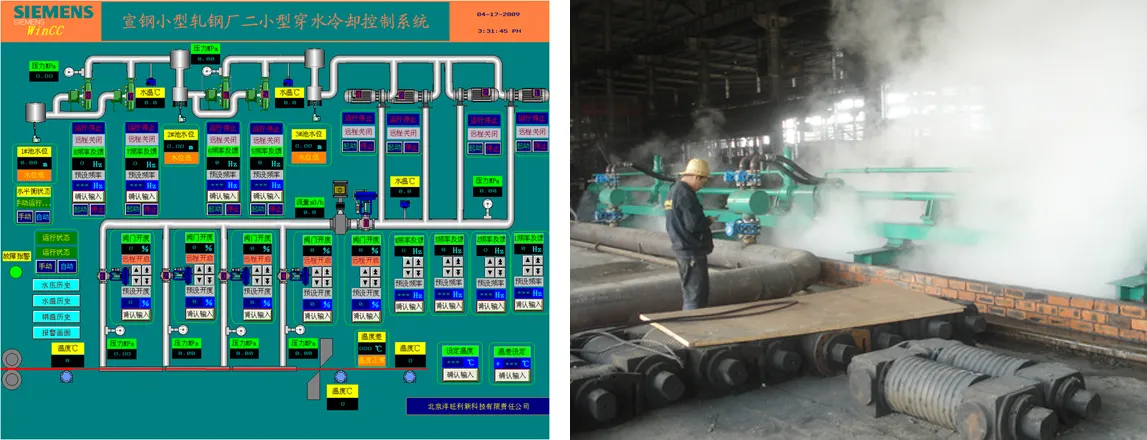
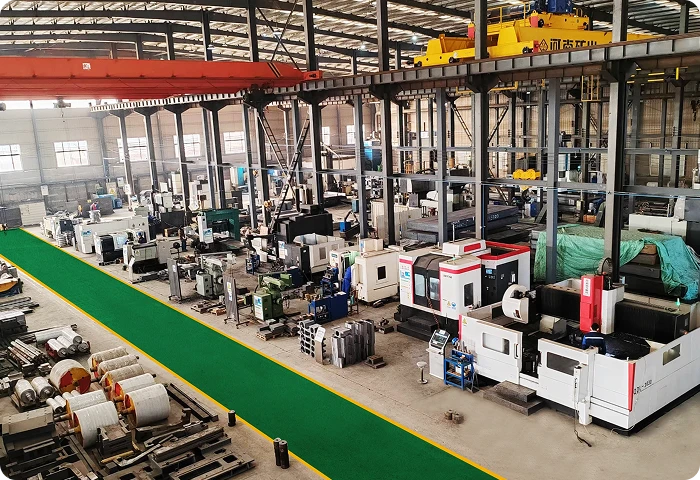
Yang Wang Li Xin operates a state-of-the-art facility over 66,000 square meters,and our manufacturing facility is fully equipped with high-tech machinery and high-capacity cranes. This enables us to handle large work pieces measuring 4.5m in width, 10m in length, and 1.5m in height, guaranteeing our capacity to produce 1800mm skin-pass mills and 1450mm rolling mills. The individual piece can weigh up to 100 tons.

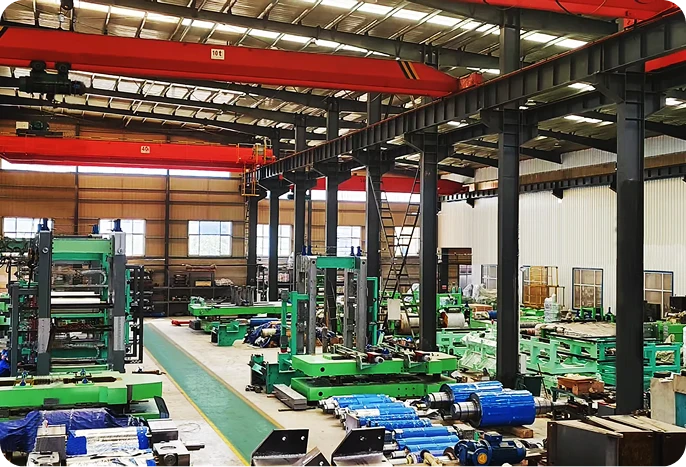

Quality is fundamental to the enterprise survival. We have established a comprehensive and meticulous quality management system and have successfully obtained ISO14000 certification. Starting from the design source, it supervises the entire production cycle, including design, procurement, processing, assembly, in-factory testing, installation, and online commissioning. The workshop is equipped with measuring tools like vernier calipers, spectrometers, hardness testers, and ultrasonic flaw detectors. They are used to check materials and control tolerances to ensure the final equipment meets or exceeds requirements. All products have a unique code, This enables the easy identification and traceability of the equipment components and ensures full control of quality.


-
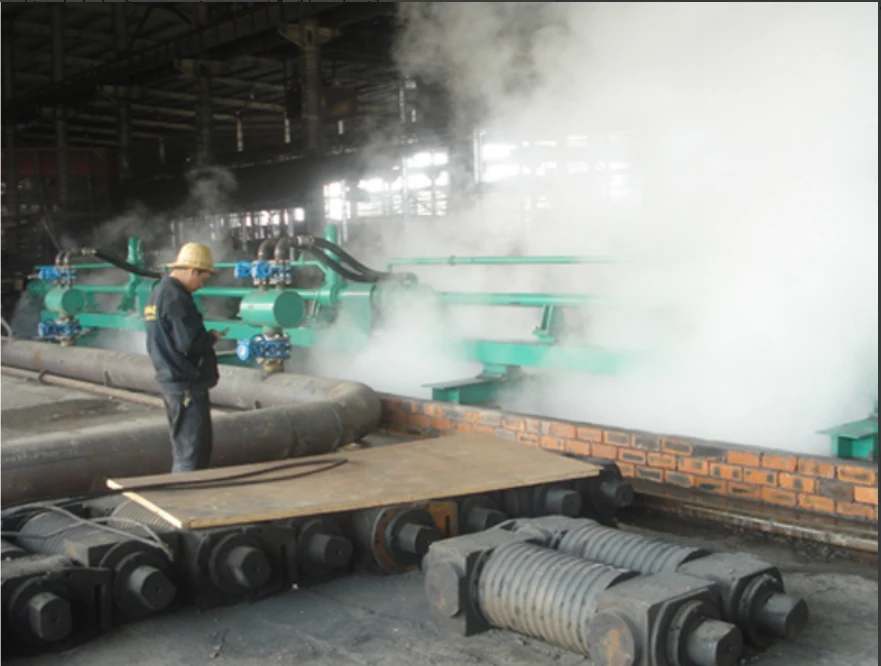 Cold Rolling Cladding Mill - YWLX|Energy-Efficient Surface QualityThe Cladding Rolling Mill developed by Beijing Yang Wang Li Xin Sci&Tech Co., Ltd. (YWLX) represents a breakthrough in advanced manufacturing technology. This innovative system leverages cold rolling processes to produce high-quality cladding materials, addressing critical challenges in energy consumption, surface quality, and production efficiency. As industries increasingly prioritize sustainabi
 -
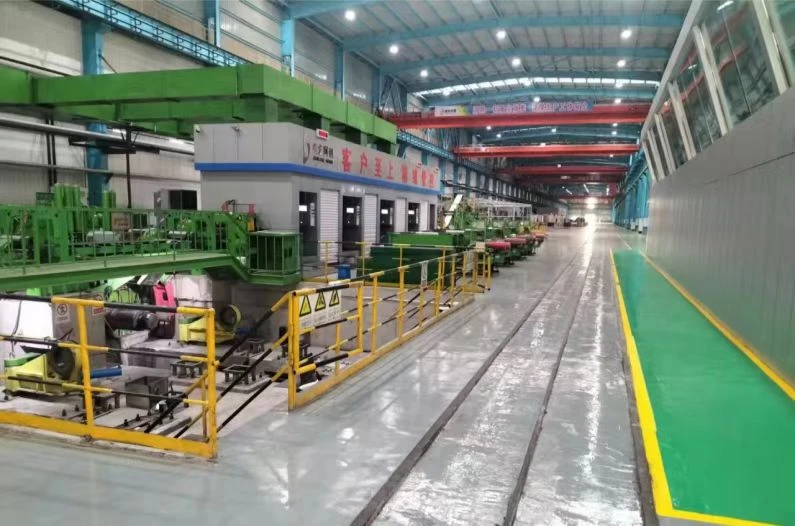 housingless rolling millHousingless rolling mills represent a groundbreaking innovation in the metallurgy industry , revolutionizing how businesses approach and manage the rolling process. This state-of-the-art technology is gaining traction for its efficiency, adaptability, and cost-effectiveness, positioning it as a cornerstone in modern steel production. Experience plays a crucial role in the successful implementation
 -
 The Application of Skin Pass Mill in ZAM Galvanizing LineIn the dynamic realm of steel processing and surface treatment, the skin pass mill has emerged as a critical component, especially in the context of ZAM galvanizing line. ZAM, a zinc - aluminum - magnesium alloy, offers enhanced corrosion resistance compared to traditional zinc coatings. The integration of skin pass mill process es in the ZAM galvanizing line further elevates the quality and perfo


